Why it is worth $47
This is not a generic AI prompt dump.
Most prompt packs give you a pile of ideas and leave you to figure out what is safe. Most AI bookkeeping software lists assume you already know what belongs in software, what belongs in AI, and what should stay under professional review.
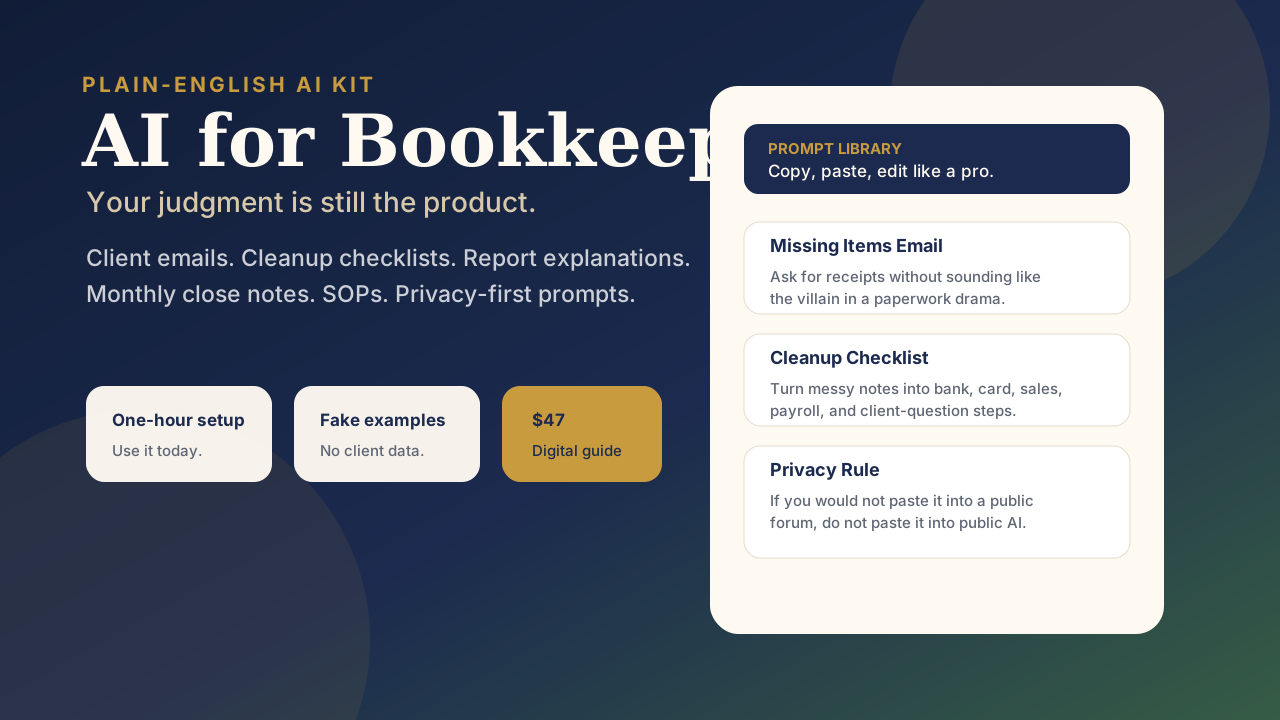
This kit is the beginner bridge. It shows what AI can help with in bookkeeping, what it should not touch, and how to use it beside QuickBooks Desktop, QuickBooks Online, Xero, or your existing workflow without pasting private client data into a public tool.
It combines the parts a careful bookkeeper actually needs: privacy rules, fake-data examples, client-email prompts, cleanup workflows, monthly close prompts, SOP prompts, QBO-friendly examples, and a one-hour implementation plan.
It is also grounded in real experience inside business books across construction, automotive, logistics, and retail, including QuickBooks Desktop and QuickBooks Online work. The point is not to make AI sound impressive. The point is to help you draft faster without handing client data to a public chat tool.
Current Intuit QuickBooks certifications support the practical bookkeeping judgment behind this kit.